A history of federal oversight

Watchdogs: The Federal Inspector General Community

From early non-statutory CIA Inspector General predecessor history to a modern oversight system of standing OIGs, special inspectors general, and cross-IG institutions, the story of federal oversight is a story of institutional punctuation: quiet periods interrupted by sudden, sweeping change.

Virginia Tech partnership concept view. Visual mockup for a possible future research collaboration; not an official Virginia Tech site.

71
Active standing OIGs
1978
Founding Act
47
Years Since IG Act

Active standing OIGs are current Offices of Inspector General with ongoing institutional existence. This count excludes historical, abolished, transferred, temporary, and special-purpose oversight entities. Combined offices are counted once. Count computed from the directory.

Early History

Before the Modern OIG System

Oversight predates the modern OIG system. For much of federal history, Inspector General was mostly a military and administrative title, with no guarantee of independence. Civilian agencies built internal audit and investigation offices the same way: quietly, on the agency head's terms, with no statutory protection if the work became uncomfortable. That older, looser tradition is the backdrop for everything that follows. It explains where the title and the habits came from, but none of it counts toward the modern federal OIG population tracked on this site.

Era notes
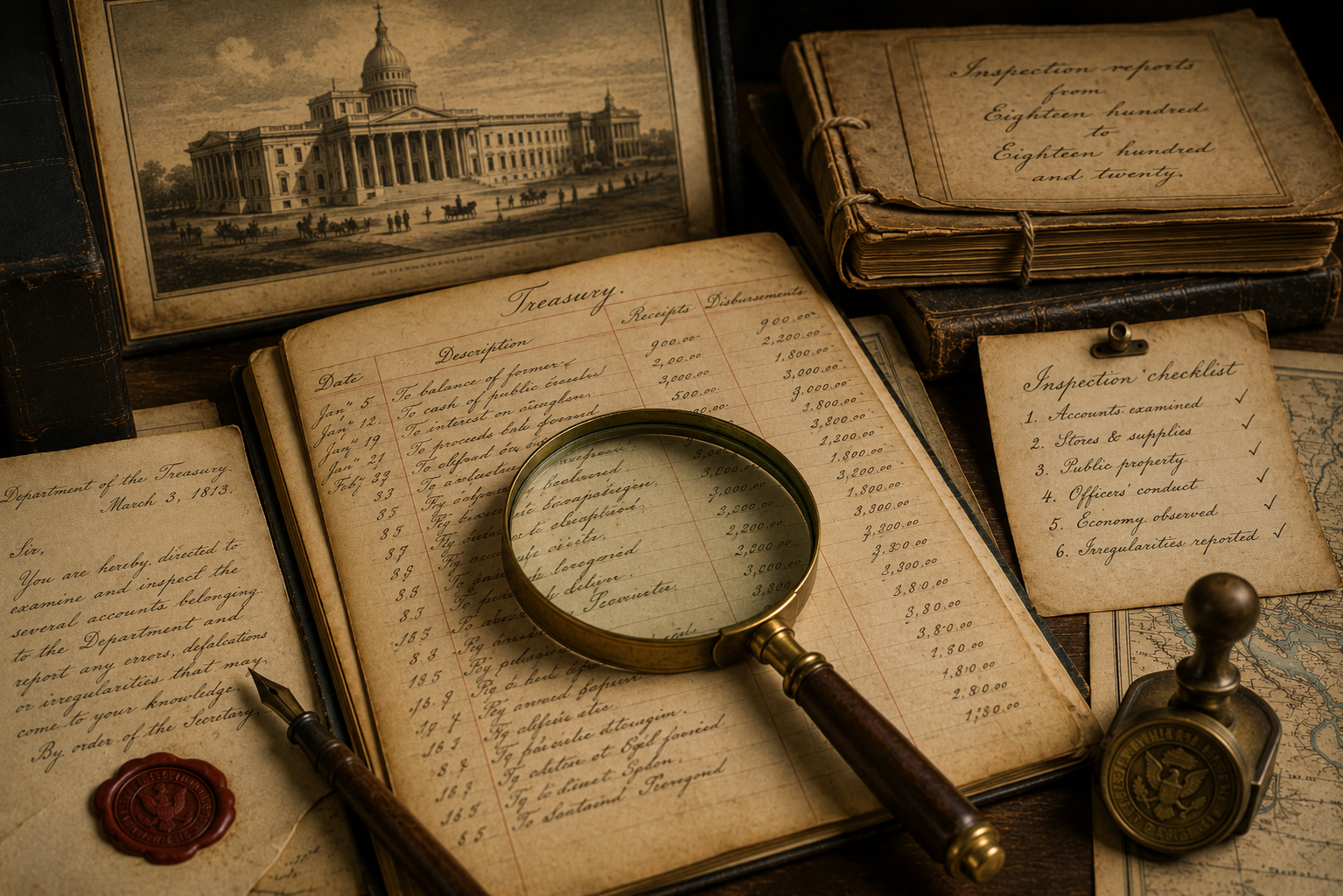
Historic inspection ledgers, letters, and a magnifying glass representing pre-OIG oversight practices.
1951-1978

The Administrative Era (1951-1978)

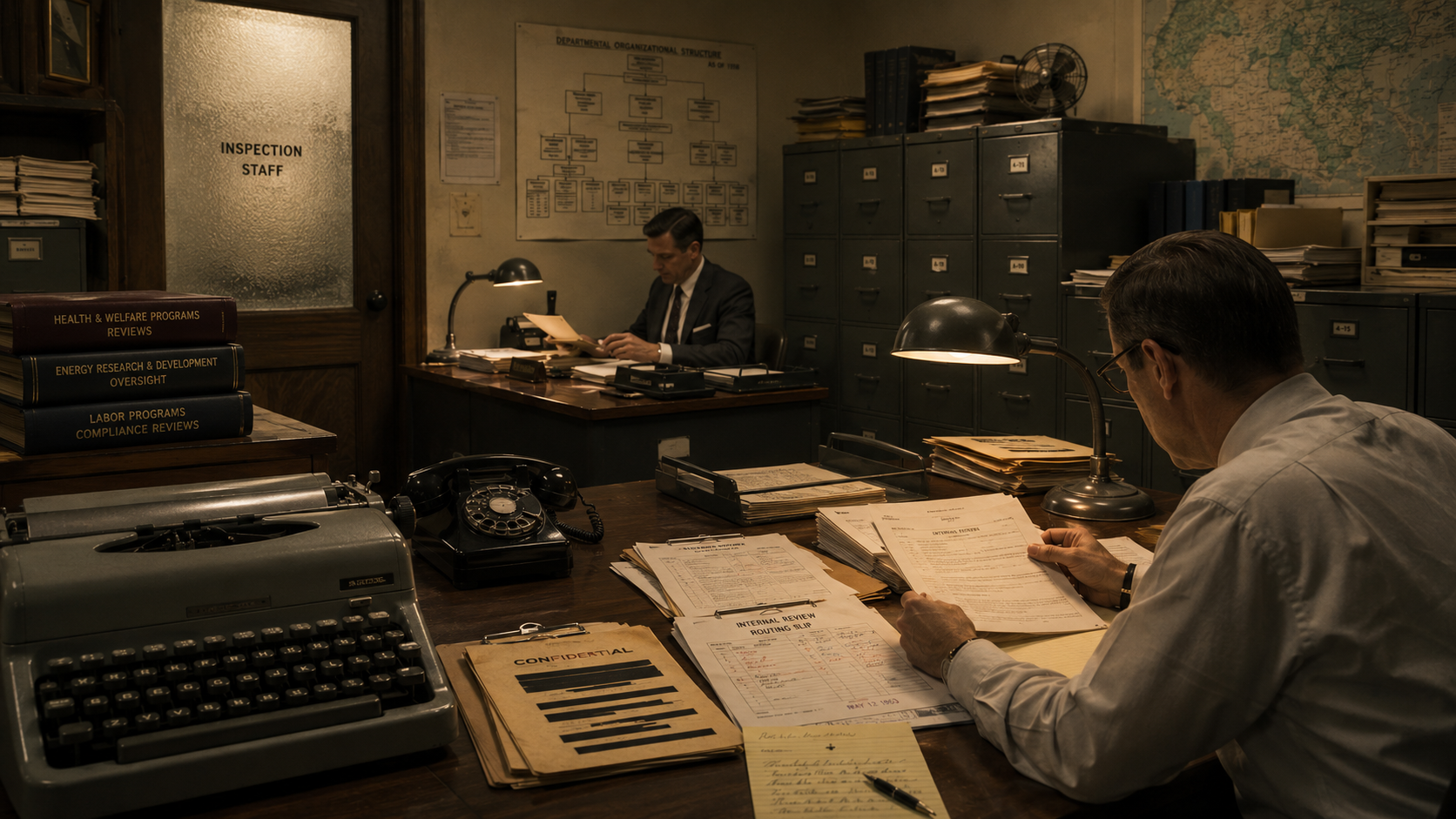
By the early 1950s, the CIA had already created an internal Inspector General position. It was an appointee of the Director with no independent reporting line to Congress and no statutory protection from being overruled or removed. Useful, but answerable only to the agency it watched. Congress tried a different model in the 1970s, writing standalone statutory Inspectors General into law one agency at a time: HEW in 1976, the Department of Energy in 1977, both years ahead of any general statute. These pre-1978 offices proved the concept could work. What was still missing was a single law that gave every IG the same independence, the same access, and the same standing with Congress.

Era notes
Mid-century administrative inspection office with files, review forms, and inspection staff.
1978

Twelve Offices, One Law

By 1978, Congress had run out of patience with fixing one agency at a time. Audits kept turning up the same patterns of waste, fraud, and mismanagement, and lawmakers no longer trusted agencies to police themselves quietly from the inside. The Inspector General Act made the original cohort visible as a single statutory generation. In one law, twelve federal agencies gained Inspectors General with shared guarantees: direct access to records, subpoena power, independence from ordinary agency supervision, and a duty to report problems to Congress as well as to the agency head. Every OIG created afterward would be measured against the independence this one law wrote down first.

Era notes
1988

The Model Spreads to the Rest of Government

Ten years after the original Act, Congress confronted a problem the 1978 law had not solved: many of the agencies most worth watching were too small, or structured too differently, to justify a Presidentially appointed, Senate-confirmed Inspector General. The 1988 amendments answered with a second track. Designated Federal Entity status let independent establishments, government corporations, and regulatory bodies appoint their own Inspectors General through the agency head or governing board, while keeping nearly all the same statutory authorities and protections the original twelve had received. Dozens of new offices joined the system inside a single amendment. The oversight map stopped looking like twelve points around Washington and started looking like the federal government itself.

Era notes
2002-2007

Oversight Reorganizes Around a New Threat

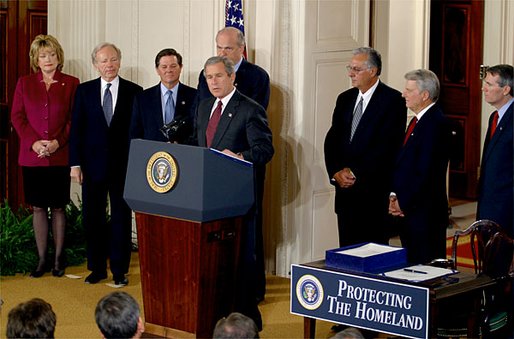
September 11 reorganized the federal government, and the IG system reorganized with it. The Homeland Security Act created a department built around classified, security-sensitive work the 1978 framework had never been designed for, and it needed an Inspector General to match. The same years built a different kind of office entirely: the Special Inspector General for Iraq Reconstruction, created to follow reconstruction dollars into a war zone. Oversight kept reaching into corners of government the 1978 Act had never touched, including statutory Inspectors General for legislative branch institutions.

Era notes
President George W. Bush at a podium during the Homeland Security Act signing in the East Room.
President George W. Bush addresses the media during the signing of the Homeland Security Act in the East Room.
2008-2021

A System Built for Emergencies

The financial crisis tested the IG system at a scale the 1978 Act never anticipated, and Congress had already rehearsed for it. The Special Inspector General for Afghanistan Reconstruction was created in January 2008 to track reconstruction money in a war zone, the same model Iraq's SIGIR had proven four years earlier. Within the year Congress reached for it again, chartering the Special Inspector General for the Troubled Asset Relief Program to follow taxpayer dollars into the financial bailout. The Inspector General Reform Act then restructured the community that oversees the overseers, codifying CIGIE and tightening the removal, pay, and budget protections the original Act had left looser than Congress now wanted. Intelligence oversight kept pace as new statutory IGs arrived for defense and intelligence agencies.

Era notes
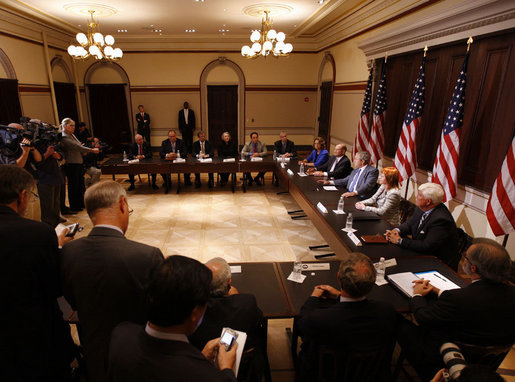
President George W. Bush meeting with American business representatives on the Economic Rescue Package in 2008.
President George W. Bush delivers remarks during a meeting with representatives of American businesses on the Economic Rescue Package Thursday, Oct. 2, 2008, in the Eisenhower Executive Office Building.
2022-Present

Independence Under Stress

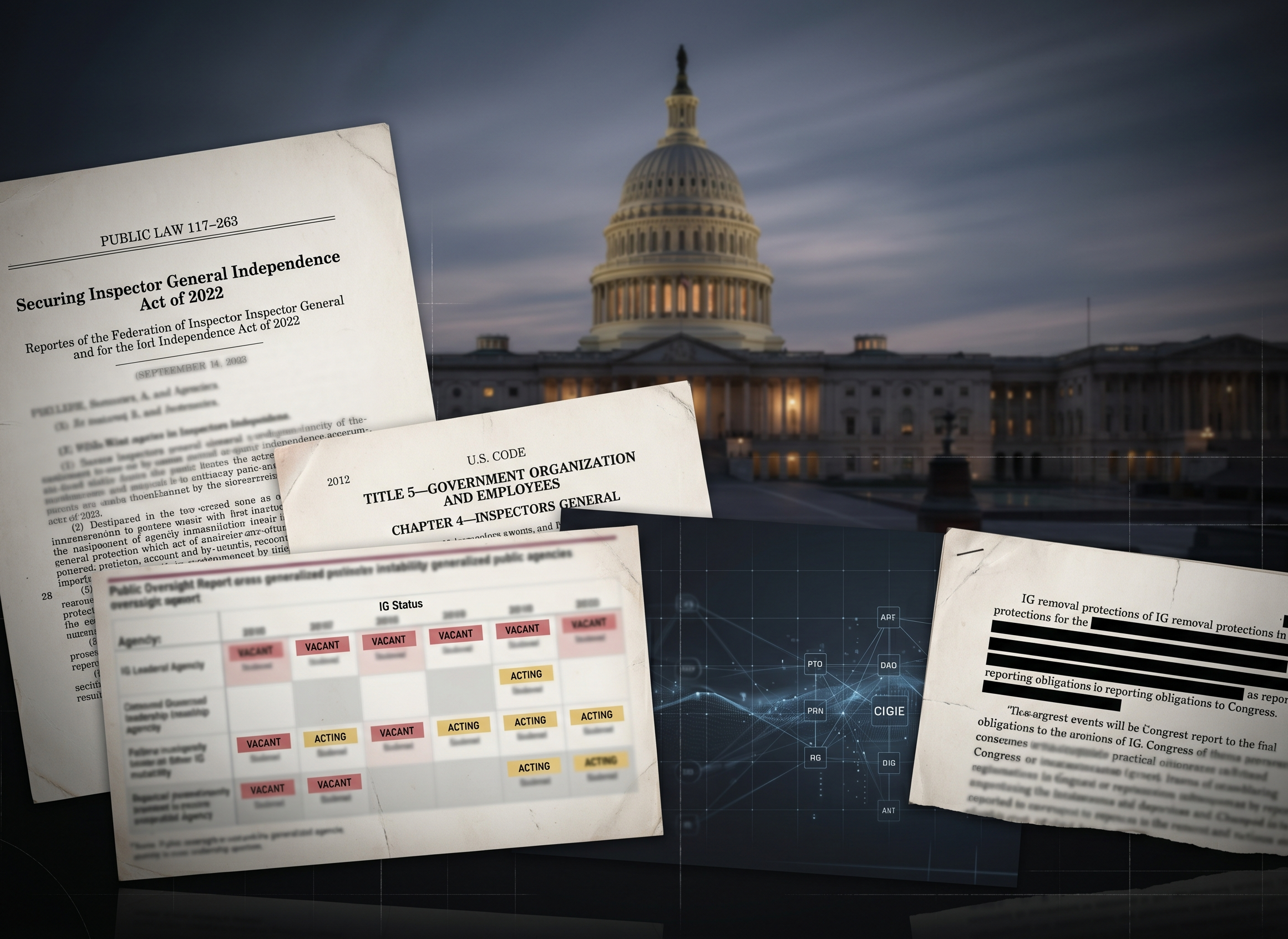
Every era of expansion eventually meets an era of stress testing, and the years since 2022 have given the IG system its hardest test of its independence guarantees yet. The Securing Inspector General Independence Act and Title 5 codification rewrote the rules for removing an IG, naming an acting IG, and reporting to Congress when something goes wrong, closing gaps the 1978 design had never anticipated. Since then, contested removals, vacancies, acting officials, agency restructuring, special-purpose roles such as SIGOAR, and cross-IG infrastructure such as PRAC have continued to test how the modern IG framework operates in practice. The next fight is over whether pandemic-era anti-fraud infrastructure becomes a permanent part of the federal oversight map.

Era notes
Collage of inspector general independence documents, vacancy tracking, federal oversight networks, and the U.S. Capitol representing modern independence pressures.

Oversight institutions

Not every important oversight body is an OIG.

Not every important part of the Inspector General system is an Office of Inspector General. The community also includes councils, committees, data systems, integrity mechanisms, training institutions, and special oversight structures that coordinate work across individual OIGs.

Pending / proposed

Proposals that could redraw the map.

OIG directory

Open a standing, historical, or special OIG profile from the map.

This directory covers OIG offices and special IG offices/roles. Cross-IG institutions such as CIGIE and PRAC are covered separately above and are not counted as standing OIG offices.

Directory sorted alphabetically by filing name; generic prefixes such as Department of, United States, and U.S. are ignored.

Data access

Clean exits for researchers.